In the fiercely competitive world of real estate, having a website is standard practice. Every agent has one. But take a quick look around, and you'll notice something striking: the vast majority of these websites are completely ineffective. They get little traffic, generate zero leads, and fail to distinguish the agent from the sea of competitors.
What is the one critical error that almost every agent makes? What is the invisible barrier that’s stopping their website from becoming a 24/7 lead-generation machine?
As a WordPress developer and web consultant who has built numerous sites for real estate professionals, I've seen this mistake time and time again. The #1 mistake most real estate agents make is this: Their website is all about them, not about the client.
Think about the average agent's website. The first thing you see is a large, smiling glamour shot of the agent. The main navigation links are "About Me," "My Awards," and "My Listings." The content is filled with jargon and self-promotion about being the "#1 Agent in the Area."
In short, it’s a digital business card or resume. And here’s the hard truth: at the beginning of their journey, a potential client doesn't care about you. They don't care about your awards or what you look like. They only care about themselves and their own urgent problems:
An agent-centric website fails because it doesn't answer any of these questions. It offers no value upfront. It forces the visitor to do all the work and, in most cases, they will simply click away to Zillow, Redfin, or a competitor's site that does help them.
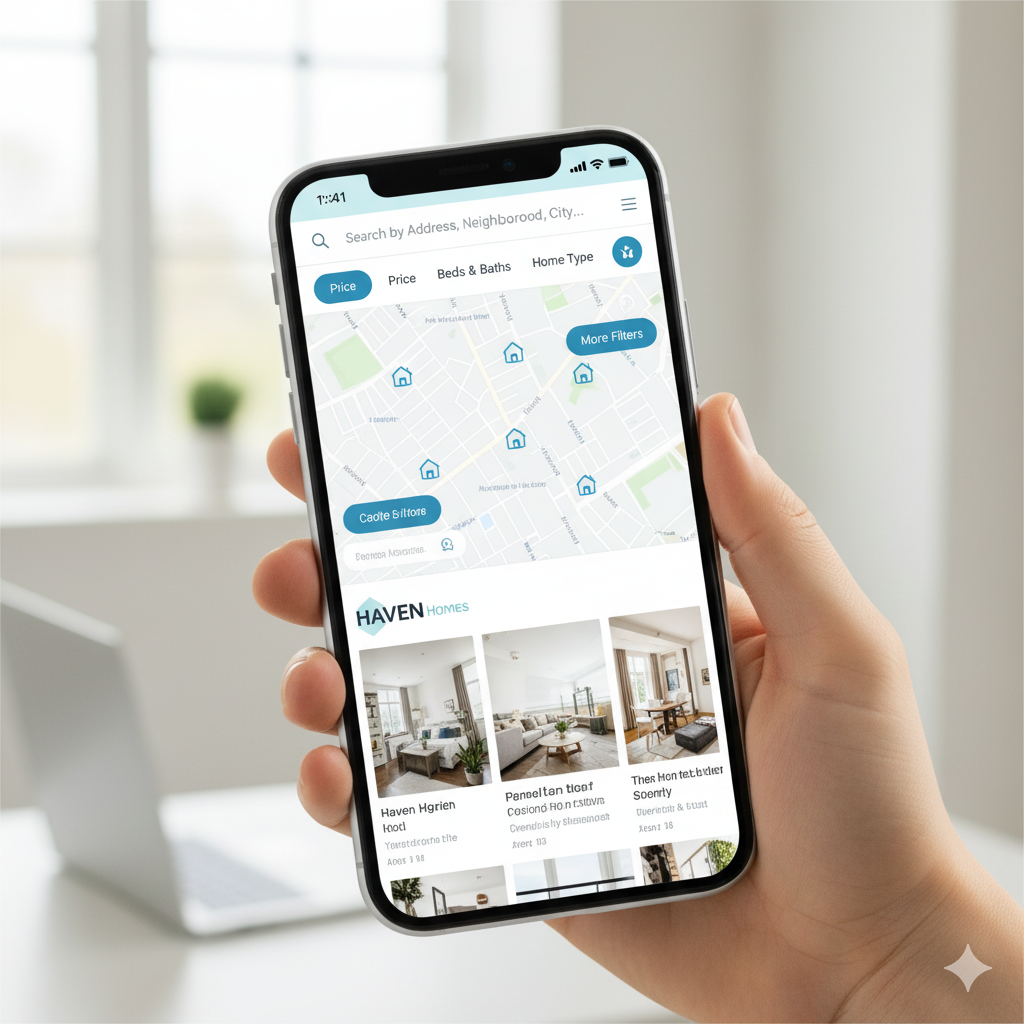
To fix this mistake, you must make a fundamental shift in your mindset. Stop thinking of your website as a place to promote yourself and start thinking of it as a resource center that serves your ideal client. When you provide immense value, you build trust, establish authority, and naturally attract leads.
Here is how we build a website that puts the client first:
Instead of a generic homepage, create a site that immediately establishes you as the undisputed local expert. This is your biggest advantage over the national portals.
The property search is the most important feature of your site. It cannot be an afterthought.
Build a library of resources that answers your clients' most pressing questions. This builds trust and captures leads.
Once you have provided undeniable value and established your expertise, then it's time to introduce yourself. Your "About Me" page is still crucial, but its purpose is to seal the deal, not start the conversation.
Your bio should be more than just a list of accomplishments. It should tell a story that connects with your ideal client. It should be packed with testimonials and reviews from happy clients. It should answer the question: "Why am I the right guide to help you navigate this massive financial and emotional journey?"
The agents who are winning online today are the ones who have stopped making their website about themselves. They have built client-centric platforms that serve first and sell second. This approach builds a pipeline of educated, trusting clients who see you not just as an agent, but as their indispensable local real estate expert.
It's time to fix the #1 mistake and transform your website from a static digital business card into your most powerful lead generation tool.
👉 Is your website truly serving your clients, or just serving your ego?