7 Indispensable SEO Tips for Law Firms to Rank Higher on Google and Win More Cases
In the fiercely competitive legal landscape of Dhaka, a strong reputation is earned through years of dedicated service and successful outcomes. But in 2025, that reputation is only as valuable as its online visibility. When a potential client urgently needs legal counsel—whether for a family matter, a business dispute, or personal injury—their first action isn't to open a phone book; it's to open Google.
If your law firm isn't appearing prominently in those critical search results, you are effectively invisible to a vast pool of potential clients actively seeking your expertise. Relying solely on referrals is no longer enough to sustain significant growth. To thrive, modern law firms must master Search Engine Optimization (SEO).
As a WordPress developer and web consultant specializing in professional services, I've seen firsthand how strategic SEO can transform a well-respected firm into a client-attracting powerhouse. Here are 7 indispensable SEO tips that will help your law firm rank higher on Google and win more cases:
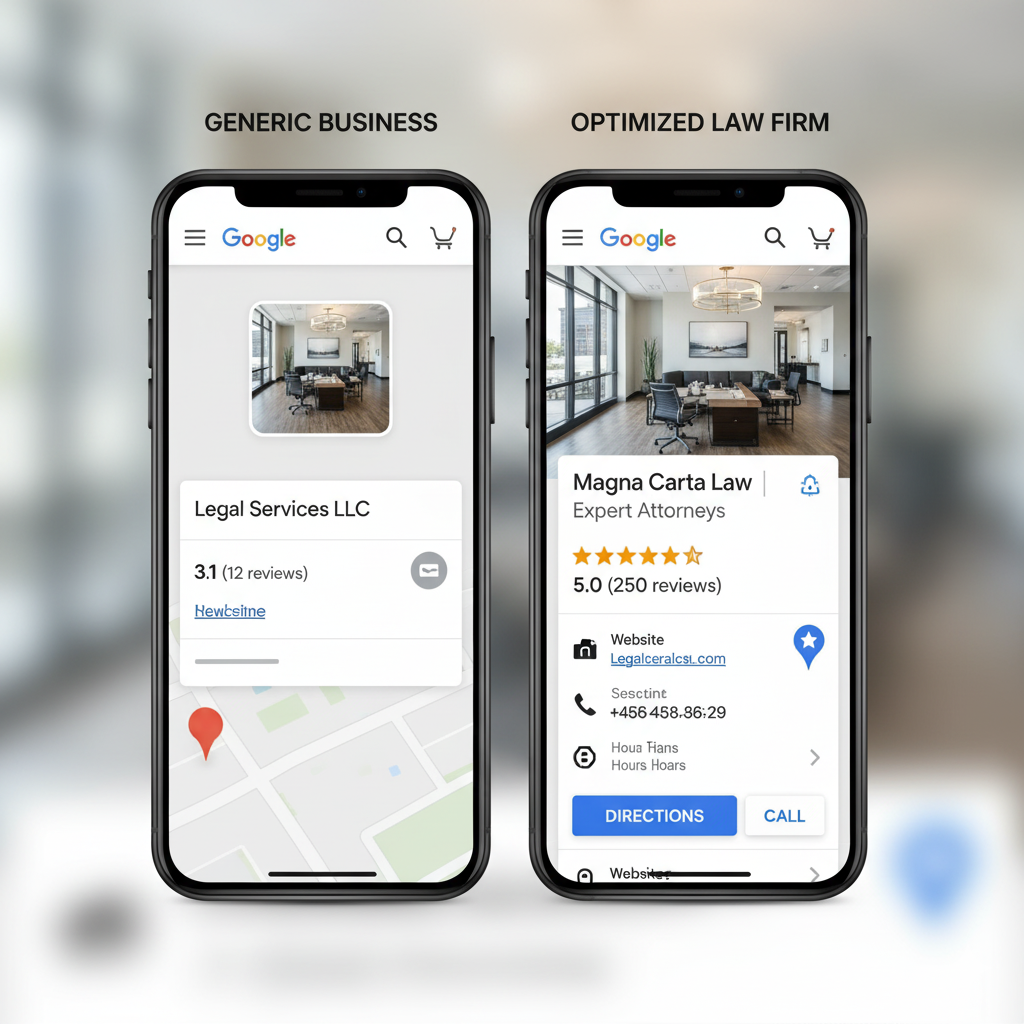
1. Master Local SEO with a Fully Optimized Google Business Profile
For most law firms, the vast majority of clients come from their immediate geographic area. Local SEO is paramount.
Action: Claim and meticulously optimize your Google Business Profile (GBP). Ensure your firm's name, address, phone number (NAP), and website are perfectly consistent across all online listings. Choose accurate business categories (e.g., "Personal Injury Attorney," "Family Law Attorney"). Upload high-quality photos of your office interior and exterior, and actively encourage clients to leave 5-star reviews (and respond to them).
2. Develop Deep, Authoritative Practice Area Pages
Generic content doesn't rank. Clients search for solutions to specific legal problems, not broad legal terms.
Action: Instead of a single "Services" page, create dedicated, in-depth pages for each practice area. For example, a "Divorce Law" page should cover sub-topics like child custody, spousal support, asset division, and mediation. Each page should answer common client questions, explain legal processes in clear language, and demonstrate your firm's specialized expertise. This depth signals authority to Google and builds trust with potential clients.
Think like your client. They aren't just typing "lawyer"; they're typing their actual problems.
Action: Research and target "long-tail keywords" – longer, more specific phrases that potential clients use. Examples: "how to contest a will in Dhaka," "cost of corporate litigation for small business," or "best personal injury lawyer for car accidents." These keywords have less competition and attract highly qualified leads who know exactly what they need.
4. Prioritize Mobile-First Responsiveness and Site Speed
Most clients will first encounter your website on their smartphone, often in a moment of distress. A slow, clunky mobile experience is a deal-breaker.
Action: Ensure your website is flawlessly responsive, meaning it adapts perfectly to any screen size. Optimize images, leverage browser caching, and use clean code to make your site load in under 2-3 seconds on mobile. Google heavily favors fast, mobile-friendly websites in its rankings.
5. Build High-Quality Content (Legal Blog & Resources)
A blog isn't just for general businesses; it's a powerful tool for law firms to showcase expertise and attract organic traffic.
Action: Publish well-researched, evergreen articles on legal topics relevant to your practice areas. This positions your firm as a thought leader and answers common client questions, attracting them to your site. Examples: "Understanding Your Rights After a Car Accident," "The Basics of Estate Planning for Young Families," or "Navigating Business Contracts." Consistently adding valuable content signals to Google that your site is an active, authoritative resource.
6. Secure Ethical Backlinks from Authoritative Sources
Backlinks (links from other websites to yours) are like votes of confidence for Google. But quality trumps quantity, especially for law firms.
Action: Focus on earning backlinks from reputable sources. This could involve getting mentions on local business directories, being cited by local news outlets, contributing articles to legal industry publications, or sponsoring community events. Ethical caution: Avoid "black hat" SEO tactics that involve buying links; they can lead to severe Google penalties.
7. Prioritize User Experience (UX) and Clear Calls-to-Action (CTAs)
Google wants to rank websites that provide a great experience for users.
Action: Design your website with intuitive navigation. Make your contact information visible on every page. Use clear, high-contrast Calls-to-Action like "Schedule a Confidential Consultation," "Request a Case Review," or "Call for Immediate Assistance." Ensure your contact forms are secure (HTTPS) and easy to fill out, and that your booking process is seamless.
Your Path to Digital Dominance
Implementing these SEO strategies requires a commitment to a robust digital presence. It’s an ongoing investment, but one that yields significant returns in terms of increased visibility, higher-quality leads, and ultimately, more successful client acquisitions.
Don't let your firm's expertise remain hidden. Let's build a digital strategy that brings your legal prowess to the forefront of online searches.
👉 Is your law firm ready to dominate search results and win the cases you deserve?
Hi, I’m Shemul — a web developer specializing in WordPress & e-commerce. I build fast, modern, SEO-friendly websites that turn visitors into customers.